

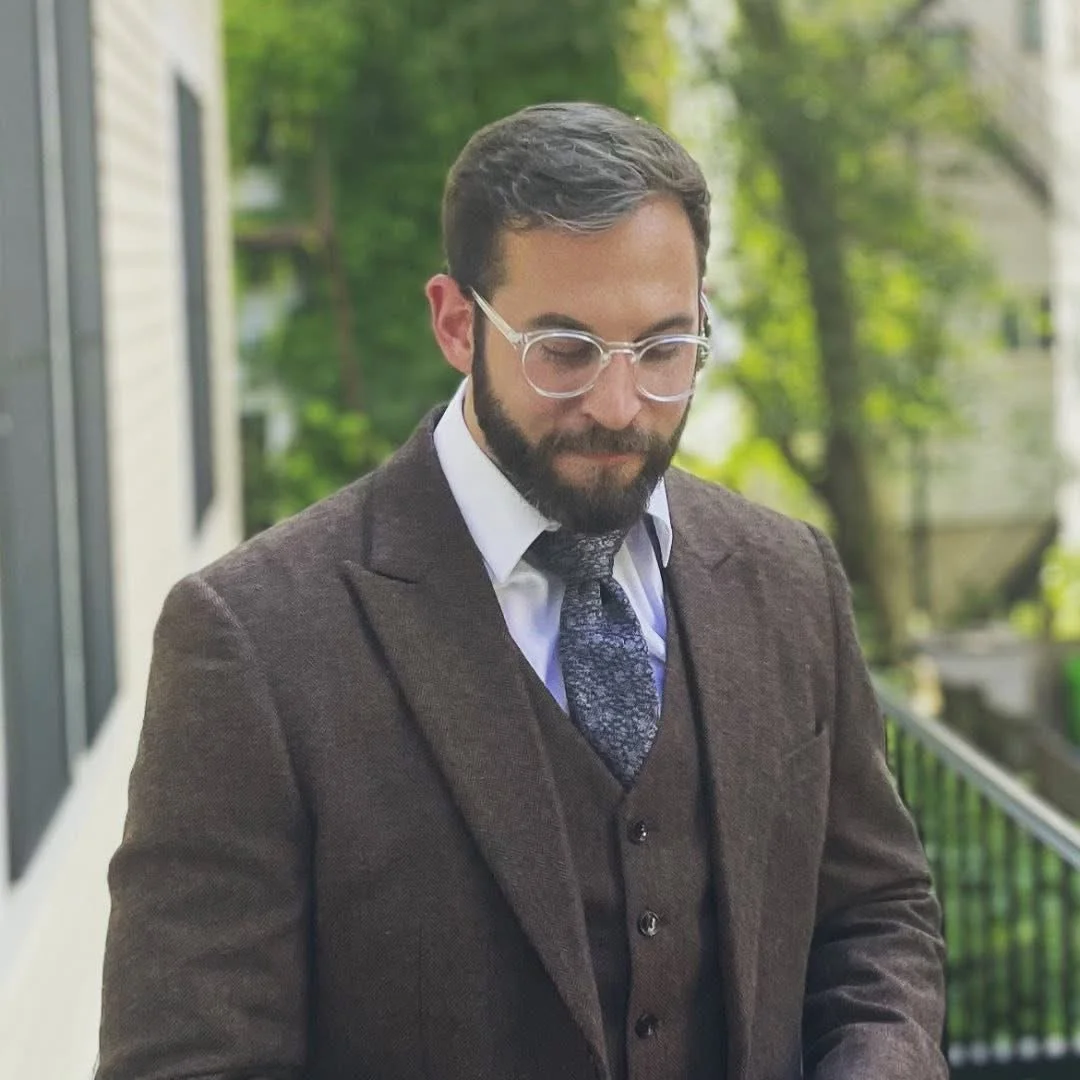
Tyler Buckhout LICSW
Clinician, Owner, & Founder of Real Therapy.
The Real Approach From The Founder:
“Real Therapy. was born from two simple observations.
First, there are far too many therapists claiming competence without providing the kind of care people actually deserve. Second, most people don't want someone hiding behind clinical jargon or a façade of expertise—they want a genuine, authentic, and real person sitting across from them. That's it.
As a therapist serving children and families for more than a decade, I witnessed too many examples of people being harmed by the very systems designed to help them. I watched clinicians enter homes with an air of expertise that felt more othering than compassionate. I saw families judged instead of understood, children blamed for behaviors that made sense in the context of their lives, and well-intentioned professionals lose sight of the humanity of the people sitting in front of them.
Those experiences fundamentally changed how I viewed this profession. I made it my mission to do right by the people we claimed to serve, and eventually I built a practice centered around that commitment.
The other side of the story came from being a client myself—and from listening to countless clients who walked through our doors. Too many people described therapy as sitting across from someone who remained emotionally distant, offered vague or recycled insights, and expected the therapeutic relationship alone to be enough. Somewhere along the way, many people came to accept poor therapy as simply "what therapy is supposed to be."
We don't.
Real Therapy was created because we believe people deserve better.
Everything we've built is rooted in genuine human connection, intellectual curiosity, clinical excellence, and humility. Our clinicians don't pretend to have all the answers. We believe wisdom comes not only from education or experience, but from remaining open enough to learn from every person we meet.
Since our beginning, that philosophy has shaped every therapist who joins our team and every relationship we build with our clients. The result is a practice where people consistently experience thoughtful, authentic, and highly skilled care from clinicians who are willing to show up as real people.
What began as a simple observation—that too many people weren't getting what they needed from therapy—has grown into something much bigger: a practice built on one fundamental belief.
Real people deserve real clinicians.
That's Real Therapy.”
——

“We are but sticks in the river of another's process, not an entire log.”